 Students at the Higher School of Economics. Photo: ombudsman.uz
Uzbekistan’s Parliamentary Commissioner for Human Rights (Ombudsperson), Feruza Eshmatova, has helped students at the Higher School of Economics avoid administrative deportation and substantial fines. The ombudsperson’s press service reported the development.
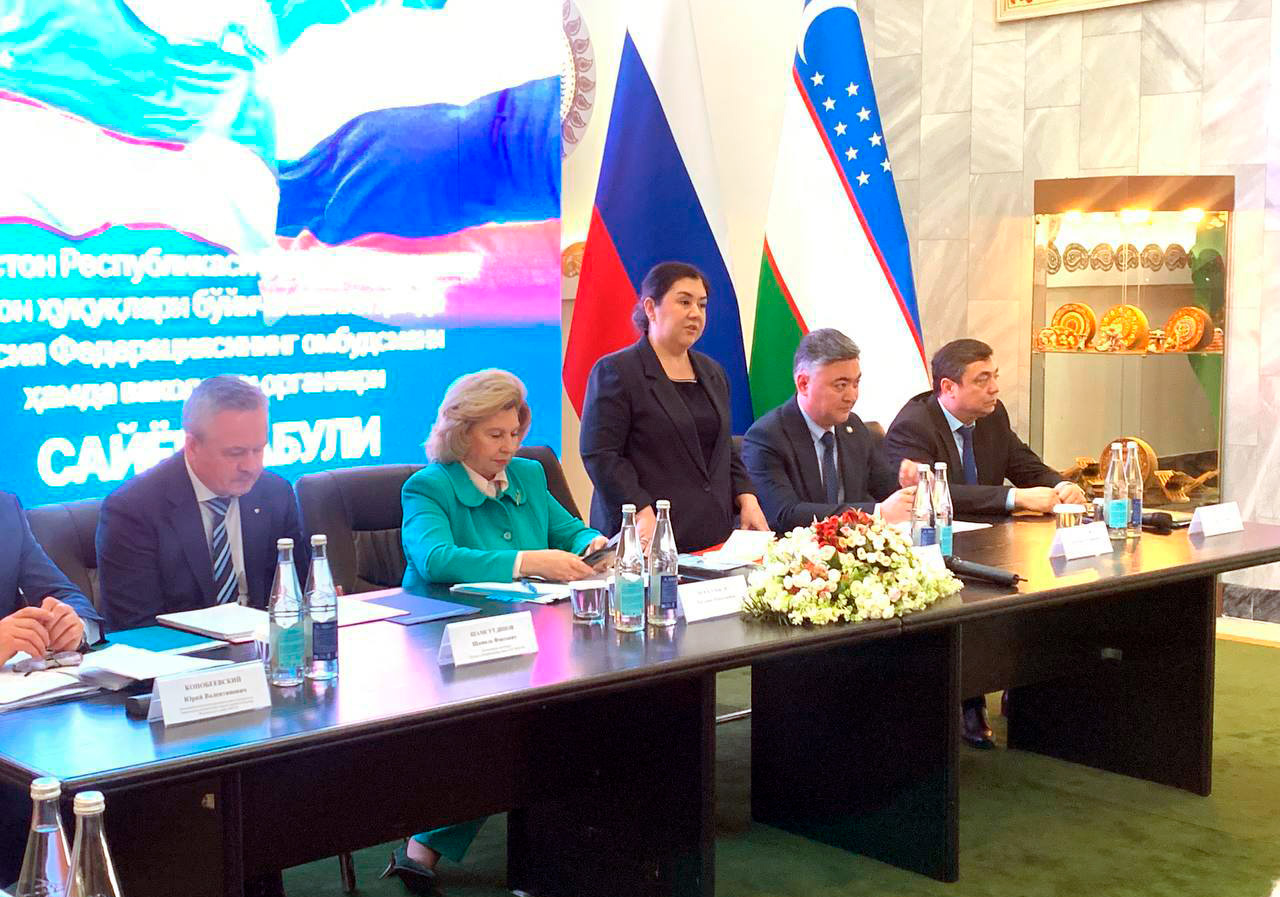
The issue came to light during an off-site reception held in October jointly with Russia’s Human Rights Commissioner, Tatyana Moskalkova. The meeting took place at the Embassy of Uzbekistan in Moscow and was attended by representatives of Russia’s Foreign Ministry, the Interior Ministry, and the Department for External Labor Migration, Permits, and Visas.
During the reception, the two ombudspersons received complaints from 31 Uzbek students enrolled at the National Research University Higher School of Economics (HSE). The students reported problems related to the legalization of their stay in Russia.
An inquiry found that the responsibility lay with the university administration, which had failed to notify the relevant authorities in a timely manner of the need to extend the students’ migration registration. As a result, the Uzbek students remained in Russia for more than 90 days without the required documents and were formally deemed to have violated migration regulations. According to the students, they were asked to pay administrative fines of 40,000 rubles.
Ms. Moskalkova took the matter under her personal supervision, after which an inspection was carried out jointly with the Interior Ministry’s migration service. Following the review, Russian authorities decided to extend the period of temporary stay for the foreign students and to refrain from imposing any administrative penalties, including fines or deportation. In a letter sent to her Uzbek counterpart, Ms. Moskalkova noted that cooperation between the two ombudspersons was yielding “practical results in the field of human rights protection.”
Ms. Eshmatova’s press service emphasized that, had the issue not been resolved promptly, the students would have faced deportation from Russia.
The measures taken made it possible to regularize the status not only of Uzbek citizens but also of more than 200 students from other CIS countries, including Kazakhstan, Kyrgyzstan, Tajikistan, Azerbaijan, Moldova, and Belarus.