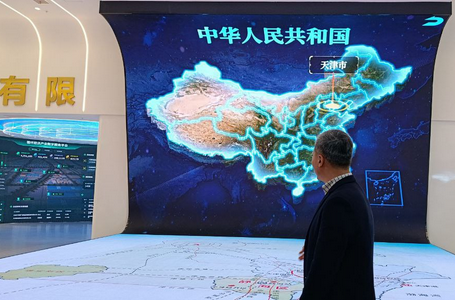
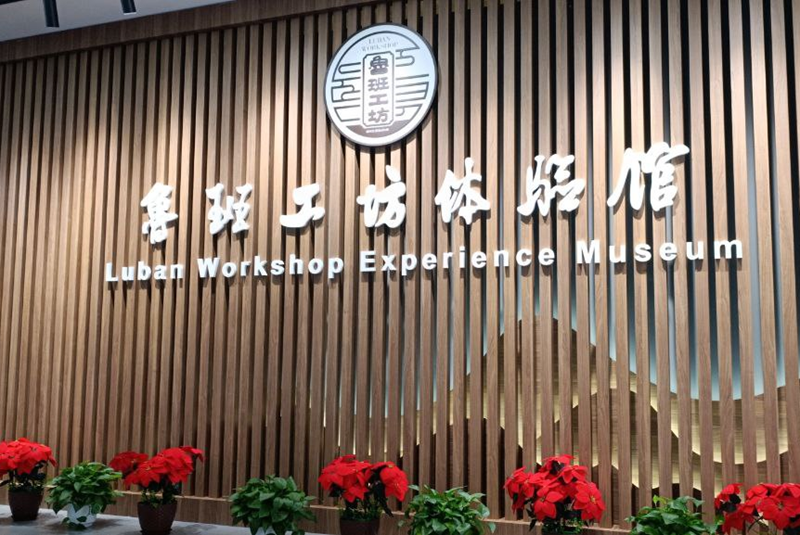
 Luban Workshops museum. Photo: Fergana.
Participants in a media tour to China (Date with China), organized with the support of China Daily, visited the museum of the Luban Workshops project located on the campus of the Tianjin Light Industry Vocational and Technical College.
The museum was established by the Tianjin municipal government to showcase the global development and contribution of the Luban Workshops. Spanning about 1,700 square meters, it features photographs, video materials, landmark exhibits, interactive training equipment, and robots. Together, these elements illustrate how the Luban Workshops support the Belt and Road Initiative and strengthen people-to-people ties between China and other countries by training technical specialists and skilled workers abroad.


-
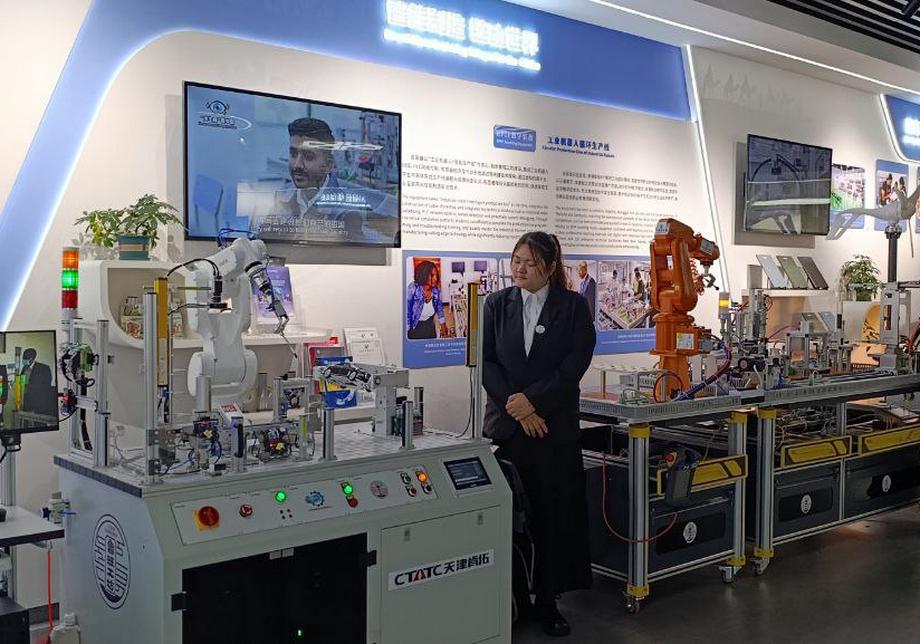
Museum of the Luban Workshops. Photo: Fergana.
-
![]()
Museum of the Luban Workshops. Photo: Fergana.
-
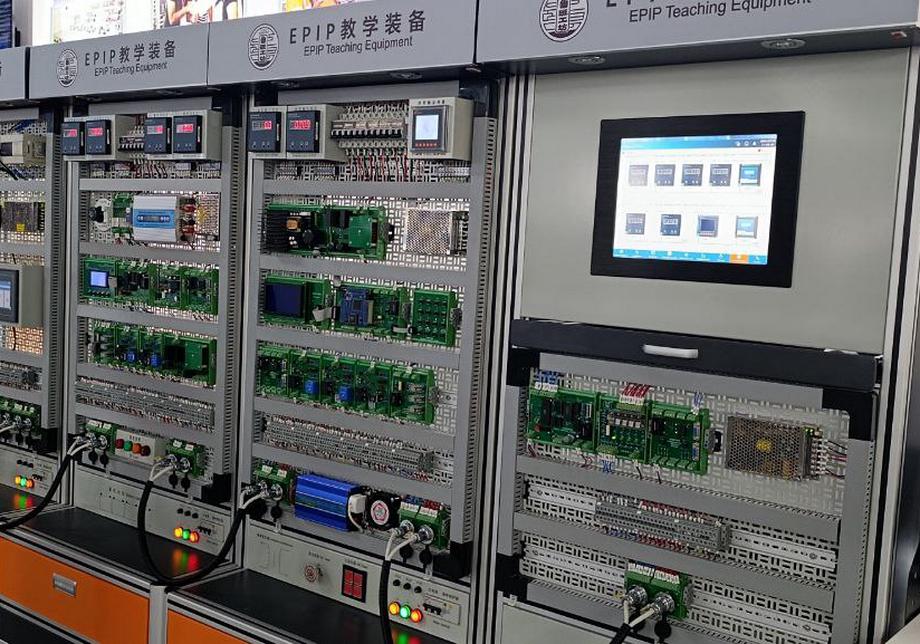
Museum of the Luban Workshops. Photo: Fergana.
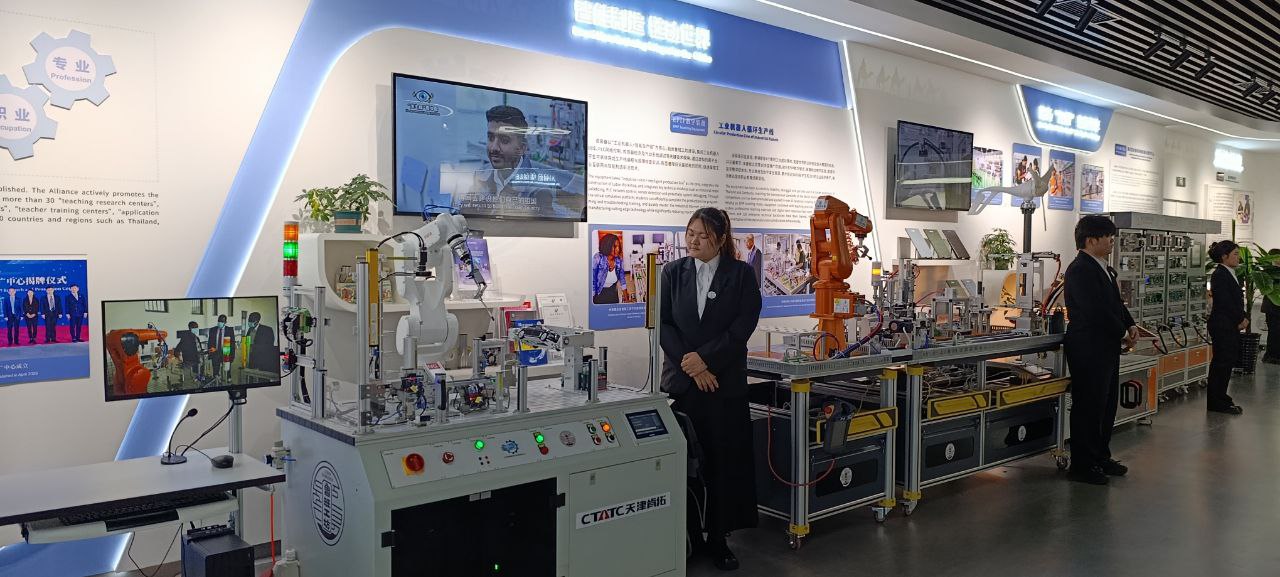
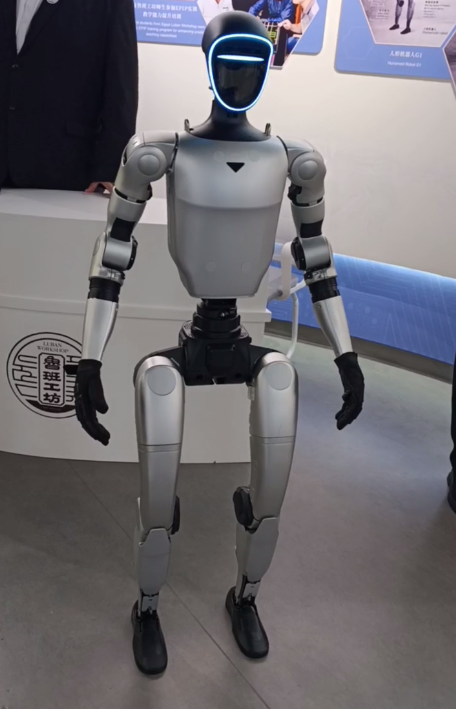
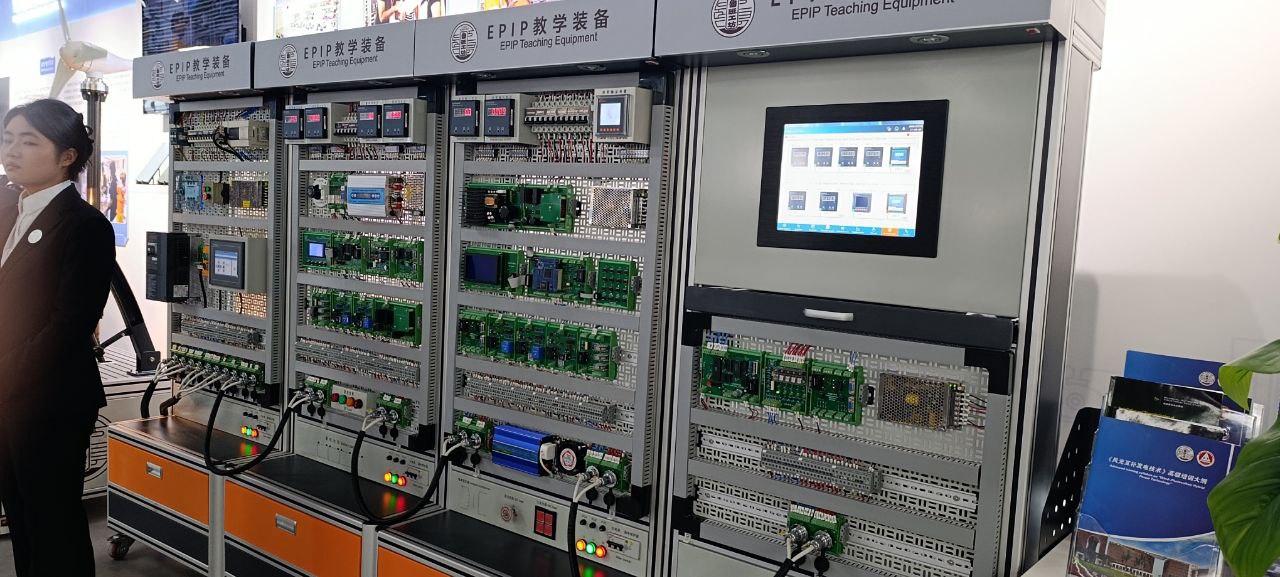
Foreign journalists were introduced to the history of the project, the achievements of the workshops, and the college’s students. As Li Yunnei, Secretary of the College’s Party Committee, told Fergana, the institution has about 11,000 students, with just over ten of them being foreign nationals.
“Most of them are from India and Egypt. We deliberately recruit students from these countries,” Li explained. “But if applicants from other countries, including Central Asia, wish to study our specialties, we are open to them and would be very pleased. At present, we admit around ten international students per year. I should note that other colleges on the campus have more foreign students, including some from your region.”
Asked whether foreign students are required to study Chinese, Li replied that they are. “When students enroll in Luban Workshops abroad, they must pass the HSK Level 2 Chinese language exam. In other words, they first receive basic language training in their home country and then come to China to study. However, the primary goal of the workshops is to establish such training centers abroad and train local specialists on site. That said, the most talented students may apply for government scholarships to continue their education in China and obtain a higher level of qualification.”
As examples, Li mentioned the Tianjin Maritime College, which focuses on logistics and maritime studies and therefore mainly attracts students in that field. One of the project’s partners has a company in Kazakhstan and accepts students specifically from that country. Tianjin College of Urban Construction and Management cooperates with Tajikistan and enrolls Tajik students.
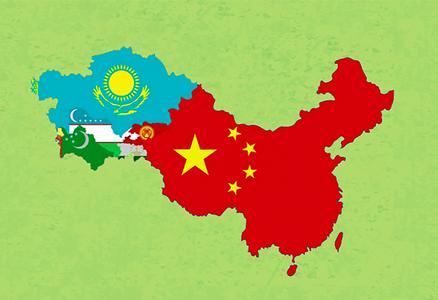
According to Li, Luban Workshops are currently operating in more than 30 countries across Europe and Asia. “They are active in Kyrgyzstan, and there is an agreement with Turkmenistan to open such workshops. A second project will soon open in Uzbekistan. A project was recently implemented in Nicaragua. Two projects are operating in Russia. Our doors are open to all students, regardless of origin or citizenship.”
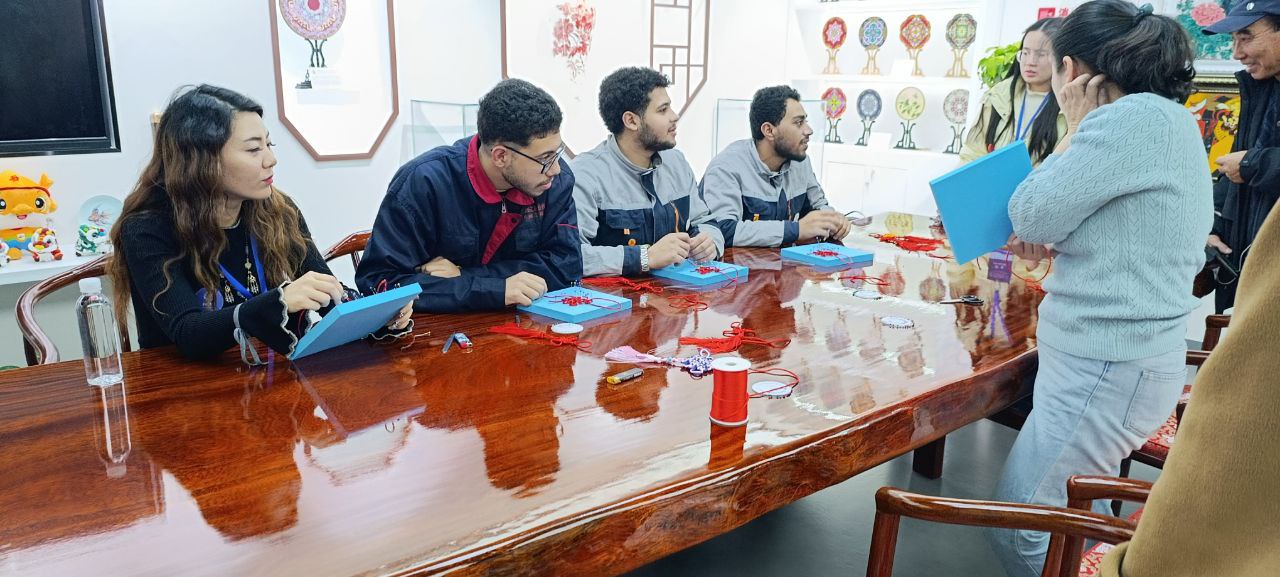 Students. Photo: Fergana.
The Fergana correspondent also spoke with students from Egypt. Despite Arabic being their native language, they have mastered both Chinese and English. All of them hope to continue their education and build careers in China. The young engineers believe that by developing professionally here, they will ultimately be able to contribute more to their home country.
ℹ️ Tianjin—China’s national demonstration zone and innovation benchmark for modern vocational education—is considered the birthplace of the Luban Workshop brand, which serves as a platform for China’s educational and humanitarian exchanges with other countries. Against the backdrop of the Belt and Road Initiative, the city authorities are expanding overseas training projects through inter-university cooperation. Today, 36 Luban Workshops operate in 30 countries worldwide, with 26 workshops in 24 countries established with the participation of Tianjin.