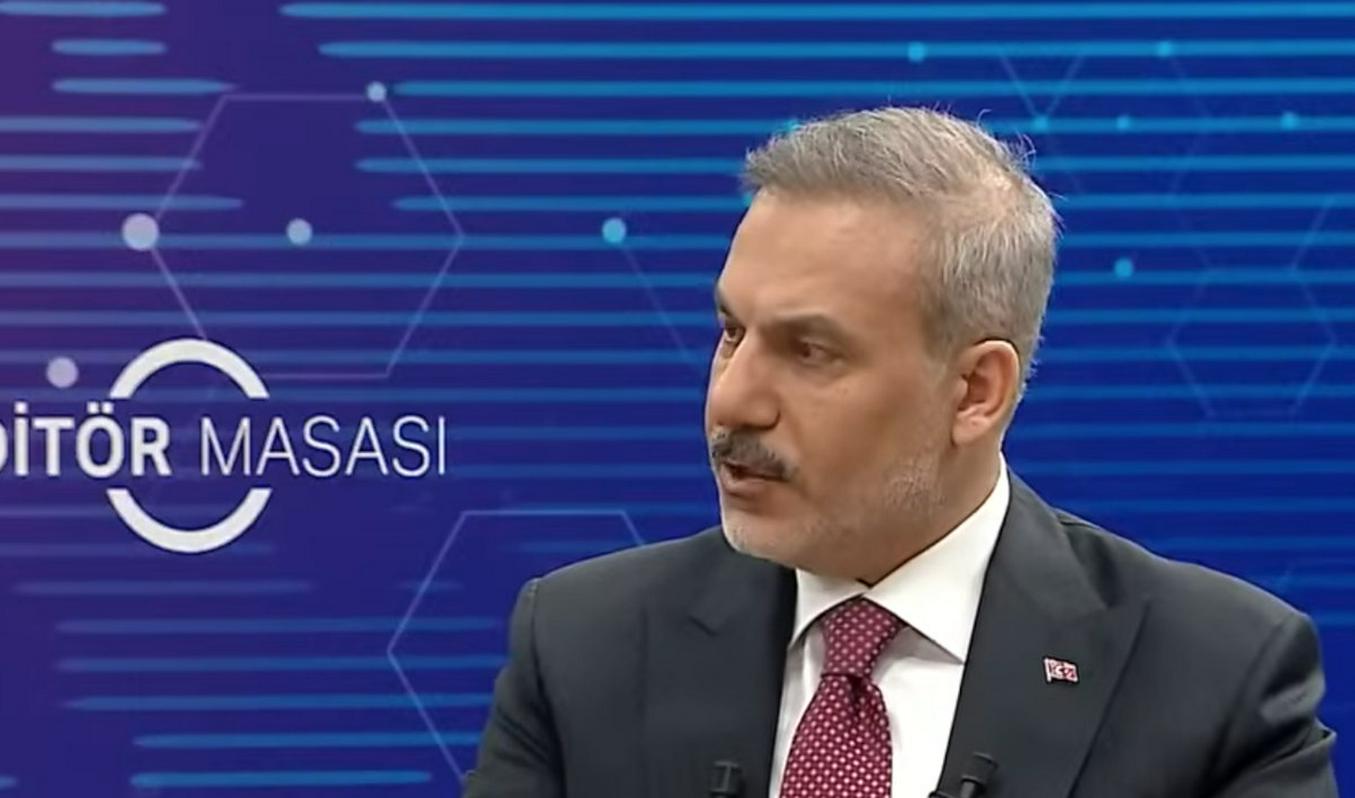
Ankara has sent Moscow and Kyiv a proposal to create a mechanism that would allow a moratorium on strikes against commercial vessels in the Black Sea and is now awaiting a response, as reported by Kommersant, citing an interview that Turkish Foreign Minister Hakan Fidan gave to the Anadolu agency. The initiative came on the same day it emerged that Turkish authorities had begun delaying permits for vessels bound for Novorossiysk, as Fergana has already reported.
Fidan's argument rests on the observation that the war is no longer local in geographic terms. The conflict has spread across the entire Black Sea, the minister said: first ports and warships were attacked, and now all commercial vessels are being hit indiscriminately, so a mechanism is needed that would allow a moratorium to be declared. According to him, the proposal was drawn up by the Ukrainian side; Turkey passed it to Russian representatives and is awaiting an official response from Moscow. Fidan did not give a timeline for a possible reply.
The idea is not new. Back on July 16, 2026, at a news conference in Kyiv, Fidan proposed starting with a moratorium in two areas — at sea and in the energy sector — on the premise that a full end to the war is not yet achievable, while partial agreements are possible where the interests of third countries are at stake.
Today, too, the discussion is not about a complete ceasefire, the front line or territory, but only about removing the civilian fleet from the list of targets. Such a framework allows each side to agree without conceding anything on the substance of the conflict.
Kyiv has already backed the idea and, after talks with Washington, separately committed to not striking the infrastructure of the Caspian Pipeline Consortium or vessels heading to the terminal that are not linked to Russia, provided they are not under Ukrainian sanctions, do not belong to Russian entities and are not carrying Russian cargo, Bloomberg reported. For Moscow, agreement would mean giving up strikes on Ukraine's port infrastructure — and those strikes remain one of its few effective tools for pressuring the Ukrainian economy.