Russian propaganda in Kazakhstan has long expanded beyond television broadcasts: it circulates via social networks and short-form videos, often masquerading as professional journalism and fact-checking. Meanwhile, its sway over public opinion remains significant. According to Demoscope survey data, 27% of Kazakhstanis echoed Kremlin narratives regarding the war in Ukraine in 2025.
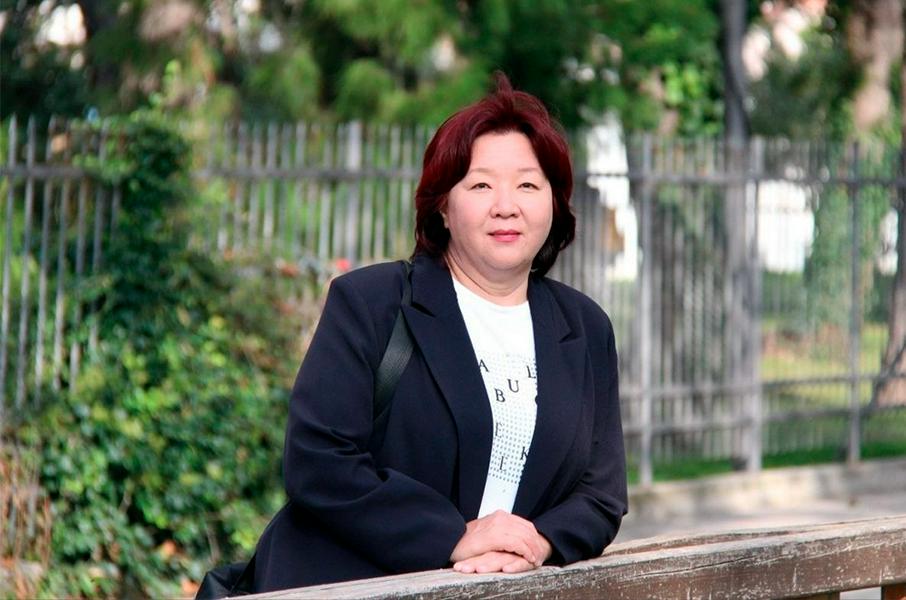
To explore why Russian propaganda resonates with segments of Kazakhstan's audience, which demographics are particularly vulnerable, and how it exploits linguistic and social divides, Azattyq Asia spoke with Snezhana Tsoy, head of research programs at the Medianet International Centre for Journalism, coordinator of Central Asia's first fact-checking outlet factcheck.kz, and coordinator of projects at the Demoscope public opinion monitoring bureau.
Surveys indicate that older Russian-speaking citizens—particularly those over 60—are the most susceptible to Russian propaganda. Pro-Russia supporters frequently justify the invasion using familiar Kremlin talking points about NATO expansion, the alleged suppression of the Russian language, and «Russophobia."
Tsoy warns that Kazakhstan is already embroiled in an information war whose fallout could impact not only public sentiment, but also freedom of speech and human rights. However, she argues that outright bans and censorship will not resolve the issue. «The most effective tool is developing media literacy, critical thinking, and fact-checking,» she says.
A text version of the interview is available here.