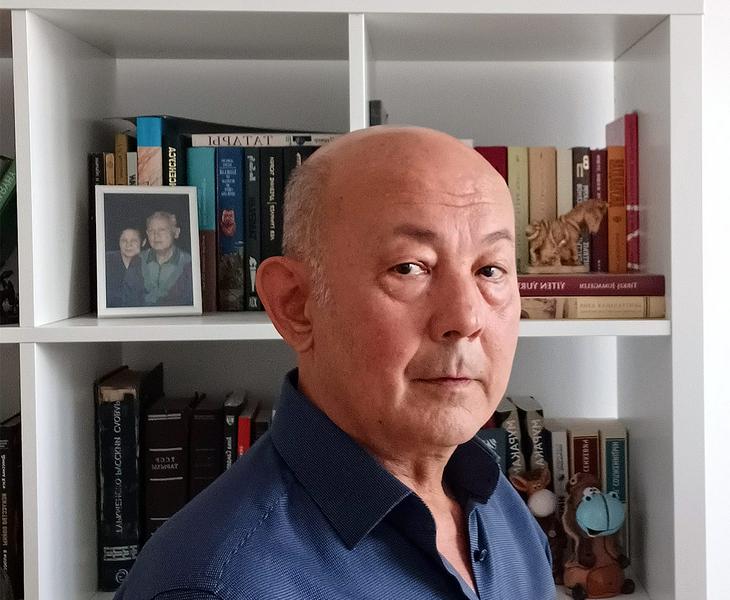
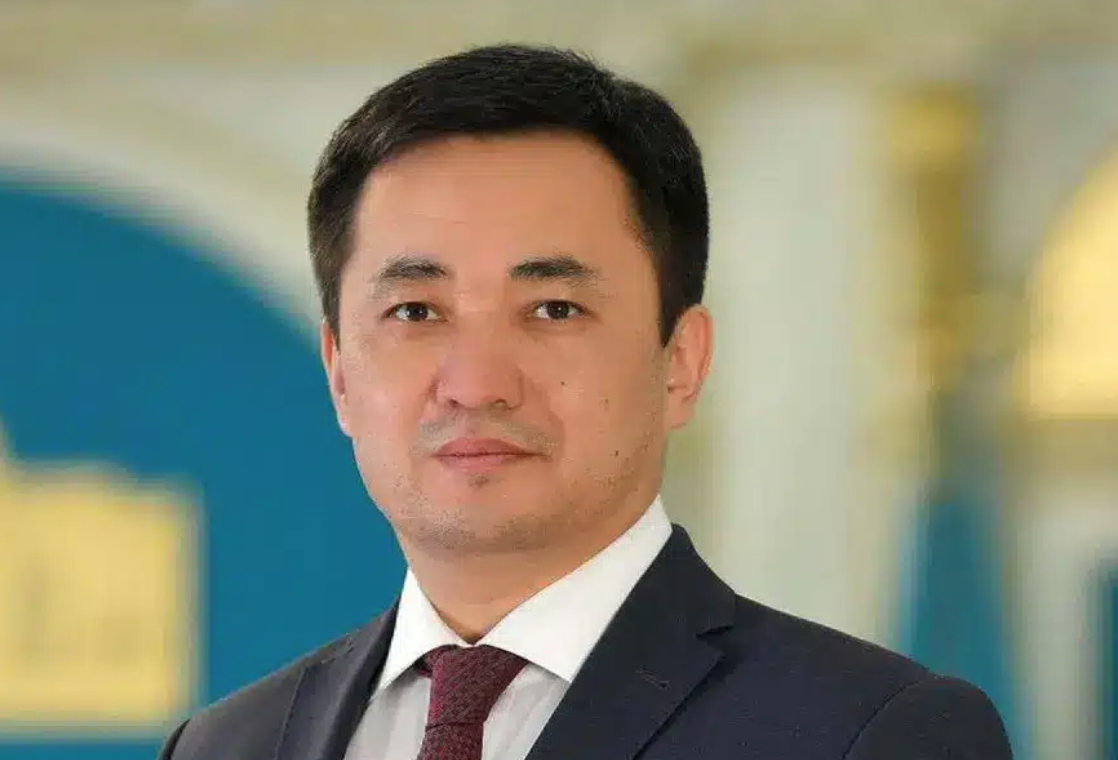
 Aibek Arkabaiuly Dadebay
Kazakhstan has announced the creation of a new pro-government political party, «Ädilet» («Justice»).
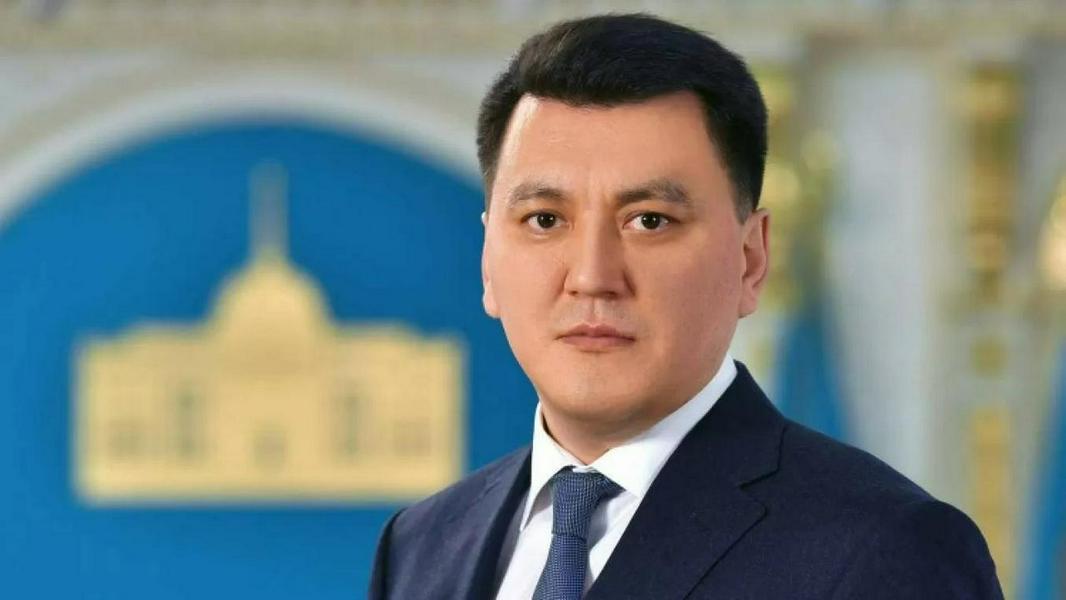
A founding congress was held in Astana on May 7, 2026, attended — according to Kazakh media — by 931 delegates from all regions of the country. The delegates unanimously voted to establish the party, adopt its charter and program, and elected as chairman Aibek Dadebay, the former head of the Presidential Administration, who had been relieved of that post just the day before under a presidential decree «in connection with a transfer to another job».
Aibek Arkabaiuly Dadebay (formerly Dadebayev) was born on April 1, 1980, in Almaty. He graduated from the Abylai Khan Kazakh University of International Relations and World Languages, earned a master's degree in regional studies, and holds the diplomatic rank of Counselor 2nd Class. His career included stints as a teacher and in the apparatus of the Senate of Parliament — among them a role in the secretariat of the Senate Chairman — as well as service as an Attaché and Third Secretary at Kazakhstan's Permanent Mission to the UN in Geneva. Since 2019, he has held a succession of senior positions within the presidential vertical: Deputy Head of the Presidential Office, then Deputy and Executive Secretary of the President, and, from February 2024, Head of the Presidential Administration.
«Ädilet» anchors its platform in the concept of a «Just Kazakhstan» — a defining political slogan of President Kassym-Jomart Tokayev in the wake of the January 2022 unrest. The party positions itself as a vehicle for the presidential reform agenda, with stated priorities spanning the rule of law, institutional effectiveness, regional development, digitalization, social policy, education, and healthcare. Party representatives speak of defending citizens' rights under the principles of the renewed Constitution and pledge to expand public participation in decision-making.
The party's highest governing body — the political council — brings together prominent managers and public figures. According to Kazakh media, its membership includes the President of the «Qazaq tili» society, Rauan Kenzhekhanuly; Children's Ombudsperson Dinara Zakieva; political scientist Marat Shibutov; entrepreneur Andrey Lavrentyev; General Director of the media holding UNI-Q Group, Mukhamedkali Tauan; Chairman of the Board of the «Qazaqstan halqyna» foundation, Lazzat Chinkisbayeva; National Bank Governor Renat Bekturov; Minister of Digital Development Bagdat Musin; and television journalist Irina Ten.
Under Kazakhstan's current legislation, political parties are registered by the Ministry of Justice subject to requirements on membership numbers and territorial representation. By the time of the founding congress, thousands of people had already signed up nationwide, though official state registration has not yet been completed.
Many observers connect the emergence of «Ädilet» to the broader institutionalization of the «Just Kazakhstan» concept and preparations for upcoming electoral cycles. Some Kazakh political scientists view the party as a centrist structure designed to buttress the presidential course and introduce a degree of controlled competition alongside the ruling «Amanat.» Parallels have been drawn in expert commentary to the «Asar» party of the early 2000s and its coexistence at the time with «Otan» — though these interpretations remain the domain of analysts, not the official position of either the authorities or the party itself.
«Ädilet» has only just announced its arrival, yet it was embedded in the power structure from day one — led by a figure drawn from the very top of the presidential vertical. The central question is no longer whether the Ministry of Justice will register yet another «party for all good things,» but whether «Ädilet» will grow into a genuine center of political influence and at least a limited vehicle for elite mobility — or settle into the role of a well-groomed satellite of «Amanat,» assembled to simulate competition ahead of the next elections.