 Photo via ung.uz
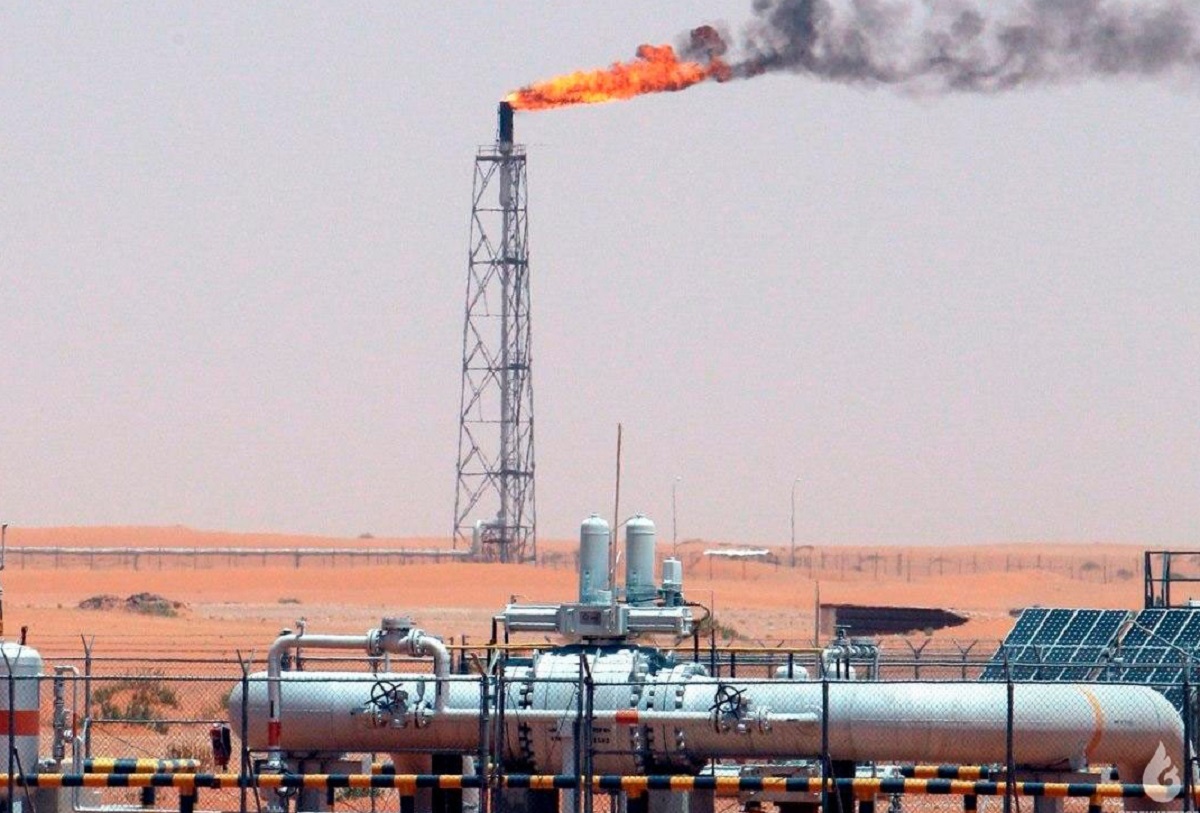
Natural gas production in Uzbekistan continues to decline, primarily because reserves at major fields are heavily depleted—in many cases by more than 80%. Developing new sites has failed to offset the drop in extraction, according to Uzbekneftegaz chief geologist Nodir Mukhiddinov, as reported by Gazeta.uz.
According to Mukhiddinov, key production fields have been pumped for decades, leaving their remaining reserves substantially drained. The state company is taking steps to sustain output through geological and technical interventions, as well as well workovers.
At the start of this year, daily output stood at roughly 65 million cubic meters, the Uzbekneftegaz official said. Since then, the rate has fallen by 12.6 million cubic meters. Workovers and new wells helped recover part of the volume, but nearly 5 million cubic meters per day remains uncompensated. Nonetheless, the company plans to ramp up output and return to starting levels by year-end, Mukhiddinov noted.
He added that major workovers have already been completed on 79 wells, with efforts continuing. In addition, the company is carrying out exploration across new acreage, launching wellhead compressor stations to maintain flow rates amid falling reservoir pressure, and reviving decommissioned assets by drilling sidetracks.
According to Mukhiddinov, the Ustyurt region holds the greatest promise for new discoveries, but developing prospects there is proving increasingly complex and costly. While crews once operated at depths of 3,000 to 5,000 meters, drilling now exceeds 5,000 meters. This drives up capital expenditures, particularly for specialized equipment available from only a handful of global contractors.
At the same time, Uzbekneftegaz secured licenses for 42 investment blocks this year. Seismic survey volumes are projected to expand nearly fivefold to roughly 12,000 square kilometers. Mukhiddinov also stated that reserve additions reached 12.5 billion cubic meters between January and September, with a full-year target of 25 billion.
However, rising reserves do not automatically boost extraction, as operators must still drill production wells, verify commercial flow rates, and build processing infrastructure.
Official figures show that Uzbekneftegaz produced around 17 billion cubic meters of gas in the first nine months of the year. The company expects to reach 22.8 billion cubic meters by year-end. That still trails 2025, when output totaled 25.2 billion cubic meters, pointing to a projected annual drop of nearly 10%. Since President Shavkat Mirziyoyev tasked Uzbekneftegaz with delivering at least 25.4 billion cubic meters to the domestic market in early 2026, the state corporation is unlikely to meet the head of state's target.
Uzbekistan’s nationwide gas production—covering both Uzbekneftegaz and other industry players—has been sliding for several years. Output stood at 51.7 billion cubic meters in 2022 but dropped below 40 billion in 2025. Consequently, Tashkent has been forced to step up gas imports, primarily from Russia and Turkmenistan.