 Photo from kmg.kz
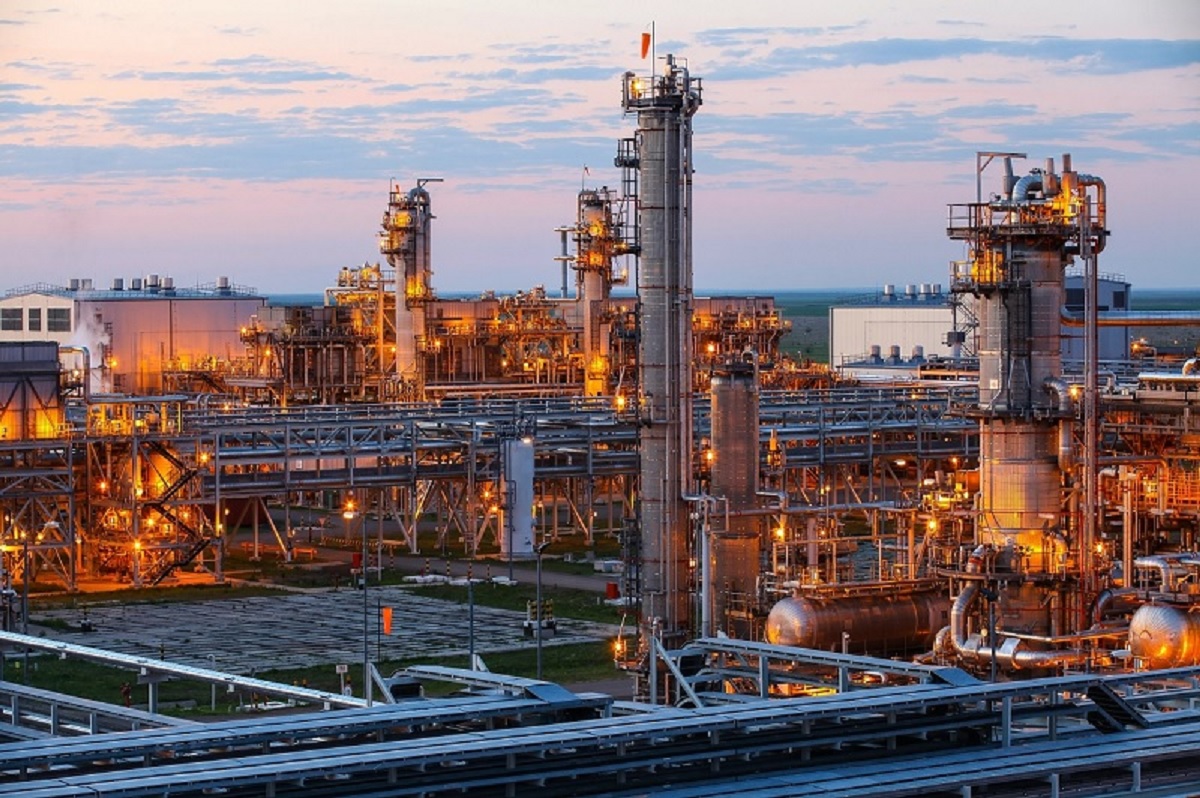
National company QazaqGaz has signed a contract to construct a gas processing plant with an annual capacity of 5 billion cubic meters at the Karachaganak field in the West Kazakhstan region, the company's press service announced.
South Korea’s Hyundai Engineering and SICIM Kazakhstan will act as the project contractors.
The agreement was concluded on November 12 during an official visit to South Korea by Alibek Zhamauov, Chairman of the Management Board of QazaqGaz. The EPC contract was signed by the national operator’s subsidiary, QazaqGaz Processing LLP, and a consortium comprising Hyundai Engineering Co., Ltd. and SICIM Kazakhstan.
The EPC contract covers the full engineering, equipment procurement, and construction of the facility. According to QazaqGaz, commissioning the plant will increase raw gas processing volumes from Karachaganak and supply the domestic market with additional commercial gas, liquefied petroleum gas (LPG), and sulfur.
The Karachaganak gas processing plant project has been under discussion for several years. In 2022, plans called for executing it jointly with the international consortium developing the field, which includes Shell and Eni (29.25% each), Chevron (18%), LUKOIL (13.5%), and KazMunayGas (10%).
Initially, the plant's capacity was projected at 4 billion cubic meters of gas per year, with construction costs estimated at $3–3.5 billion and operations scheduled to launch in 2028.
However, the project was frozen in June 2025 due to disagreements between Kazakhstan and the international consortium. According to Bloomberg, investors led by Eni and Shell sought $1 billion in cost reimbursements from Kazakhstan and requested pushing back the launch date to 2030. The parties also disagreed on construction costs and other project terms.
In March 2026, Shell and Eni lost their rights to build the gas processing plant.
ℹ️ Kazakhstan requires its own processing facility because a significant share of Karachaganak gas is shipped to Russia for processing at the Orenburg gas plant. However, operations at the Russian facility face frequent disruptions from drone strikes and maintenance work, limiting intake from the Kazakh field.