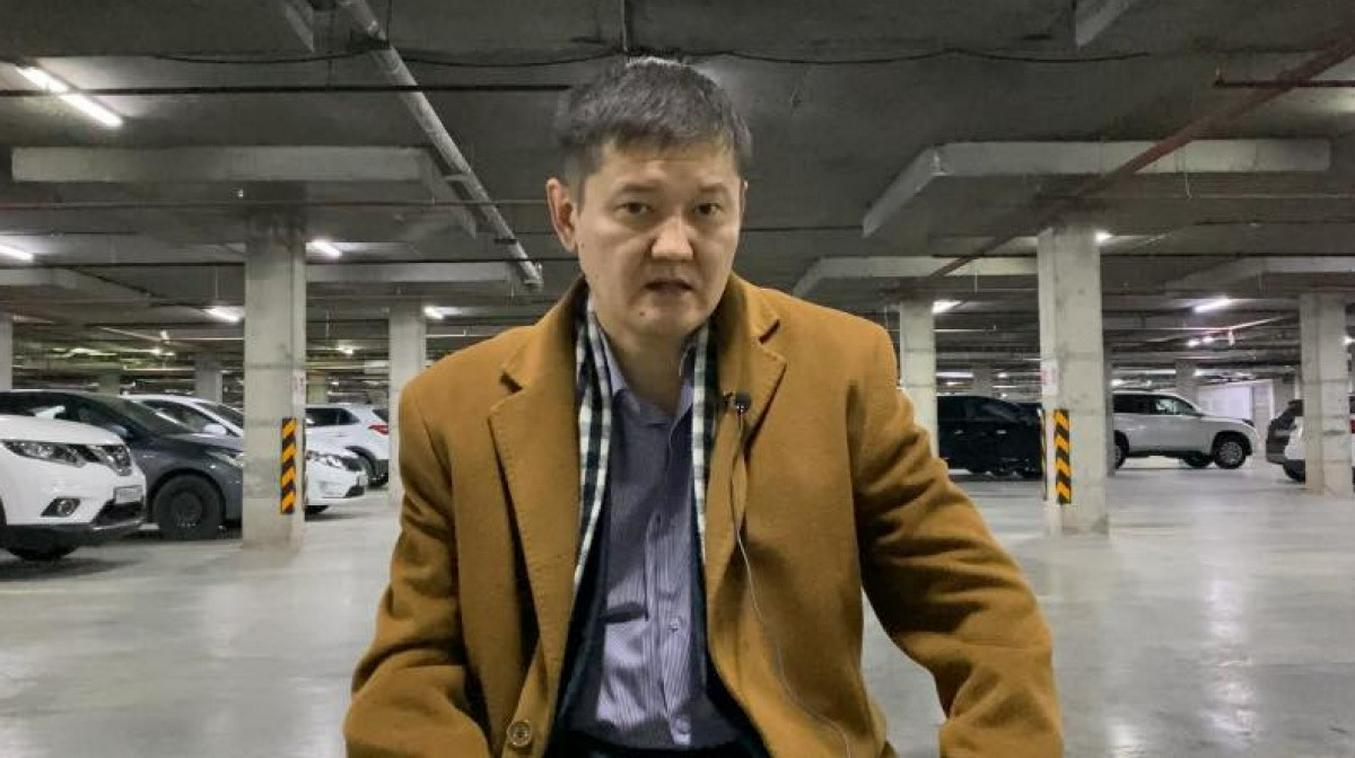
The UN Working Group on Arbitrary Detention has recognized Kazakh journalist Duman Mukhammedkarim, sentenced to seven years in a penal colony for interviewing Mukhtar Ablyazov, as a victim of arbitrary detention. This was reported by the Kazakhstan International Bureau for Human Rights and Rule of Law.
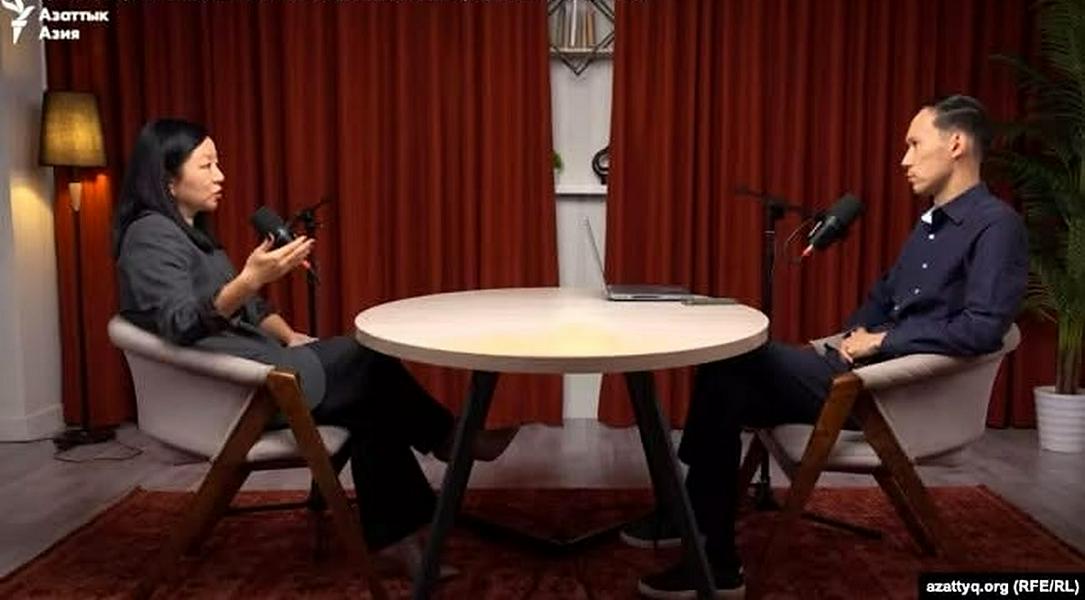
Duman Mukhammedkarim is the creator of the popular YouTube channel Ne Deidi. In 2022, he hosted a livestream with Mukhtar Ablyazov, the exiled founder of the opposition movement Democratic Choice of Kazakhstan (DCK). In Kazakhstan, DCK is designated as an extremist organization.
During the broadcast, Ablyazov asked viewers to help cover his legal fees, as he faced deportation. Mukhammedkarim stated that he was willing to donate, urged his audience to follow suit, and openly questioned whether this would be considered financing extremism. Ablyazov clarified that DCK was designated as extremist, not him personally.
On May 28, 2023, Mukhammedkarim was detained on charges of «violating the rules governing peaceful assembly» and sentenced to 25 days of administrative arrest. However, on June 22, the day of his scheduled release, authorities instead charged him under Articles 258 and 405 («Financing extremist activity» and «Participation in the activities of a banned organization»). Following a closed-door trial, the court convicted the journalist and handed down a seven-year prison term. He is currently held in a penal colony in Kyzylorda.
UN experts reviewing the complaint established violations across three separate categories of arbitrary detention: authorities had no legal grounds to arrest Mukhammedkarim; the journalist was prosecuted for exercising fundamental rights; and he was deprived of the right to a fair trial.
The report noted that the ruling banning DCK was never made public, while the legal definition of «participation in the organization's activities» lacked adequate statutory precision. The Working Group also determined that the journalist's detention «resulted from the exercise of rights guaranteed under Articles 19 and 25 of the International Covenant on Civil and Political Rights.» Mukhammedkarim's trial took place behind closed doors, the court dismissed 18 defense witnesses, relied on non-statutory formulations provided by state-appointed experts, and the judge referred to the defendant as «the convict» before rendering a verdict. The UN explicitly stated that «the trial should not have taken place at all.»
The UN experts specifically highlighted the harsh conditions in the penal colony where the journalist is being held, including poor ventilation, round-the-clock lighting, denial of outdoor exercise, and systematic intimidation. By September 2026, Mukhammedkarim had spent over 600 days in solitary confinement, staged a hunger strike, and twice committed acts of self-harm.
The Working Group demanded the immediate release of Duman Mukhammedkarim, full compensation and reparations for damages, and an independent investigation into his case.
The Kazakhstan Human Rights Bureau noted that six months have passed since the UN Working Group issued its opinion, and it remains unknown whether the government responded within the prescribed deadline. Meanwhile, the journalist remains behind bars.