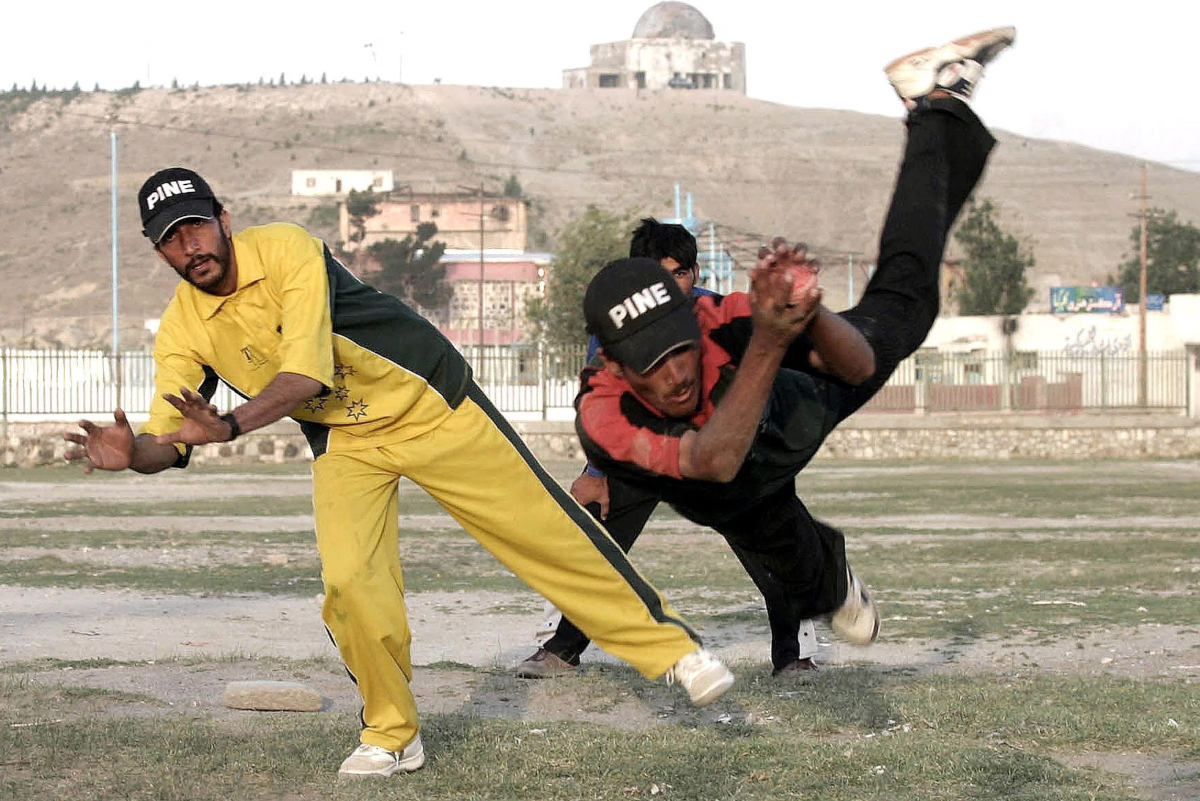
 Young Afghans play cricket at Chaman-e-Hozori in 2004. Photo: EPA
On November 14, 2026, the provincial department of information and culture in Kandahar—a city in southern Afghanistan that historically serves as the birthplace, spiritual center, and main stronghold of the Taliban—ordered local radio stations to pull all cricket news, specialized programs on the sport, and match broadcasts from the airwaves.
As reported by the Afghan news outlet Hasht-e Subh, Taliban authorities issued the directive verbally without publicly giving any reasons. Curiously, around the same time, the Afghanistan men's national team was playing Zimbabwe in Sharjah, where the Afghans were staging a home series.
👉 Do you know how this centuries-old sport, which originated in southeast England as early as the 14th century, ever became so popular in Afghanistan?
The earliest records of cricket being played in Kabul date back to 1839, during the First Anglo-Afghan War. On August 7, 1839, British-Indian forces occupied Kabul and installed their ally Shah Shujah on the throne. A garrison remained in the city until it withdrew in January 1842 following an uprising. British officers lived in a military cantonment beyond the city limits of the era, and cricket was one of their customary pastimes.
A century and a half later, the story of modern Afghan cricket began in earnest—and it unfolded in Pakistan. Countless Afghan families fled there after the 1979 Soviet invasion. Children growing up in refugee camps outside Peshawar embraced the local street version of the game. Instead of a leather ball, they used a tennis ball wrapped in electrical tape to dull its bounce, and carved their own bats.
A few years after Soviet troops withdrew from Afghanistan, cricket gained official standing in the country. Among those who founded the Afghanistan Cricket Federation in 1995 were Taj Malik and Allah Dad Noori. Malik grew up in the Kacha Garhi refugee camp near Peshawar. Noori captained the side that traveled to Pakistan in May 2001, during the Taliban's first rule, for its first international fixtures. He recalled to a Guardian correspondent that back in Afghanistan, where television was banned at the time, people followed the matches on the radio. Two years later, 14 teams gathered in Kabul for national team trials, drawing players from Khost and Kandahar.
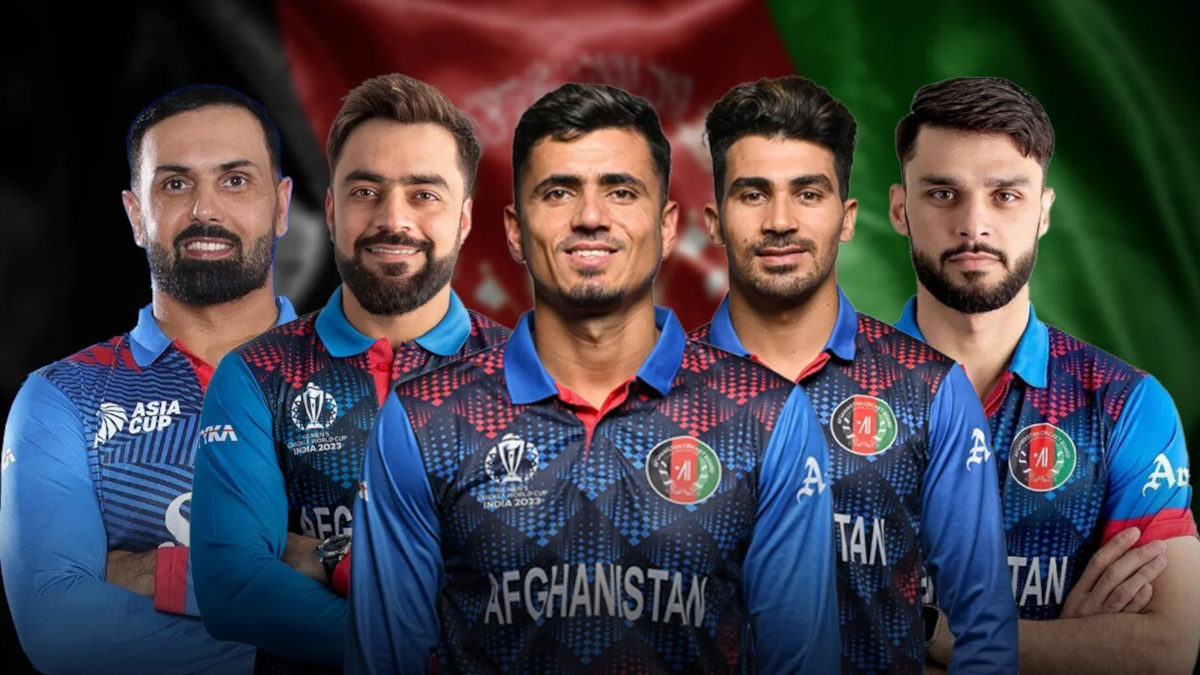 Players of the Afghanistan national cricket team.
On the international circuit, the national team started in Division Five of the World Cricket League. In 2008, the Afghans won a tournament in Jersey, followed by titles in Division Four in Tanzania and Division Three in Argentina. In 2009, the squad earned One Day International (ODI) status, and in 2015 it made its World Cup debut, notching its first tournament win against Scotland. In 2017, Afghanistan became a full member of the International Cricket Council (ICC). A year later, the team contested its inaugural Test match, taking on India.
At the 2023 Cricket World Cup, the squad won four matches, including upsets over England and Pakistan. In 2024, it reached the semi-finals of the T20 World Cup for the first time—the sport's shorter format, where each side bats for up to 20 six-ball overs. By then, Afghan cricket had built a domestic structure that allowed local club players to earn spots on provincial squads. In July 2026, the final of the Shpageeza Cricket League was held outside Kabul for the first time, in Khost. Large crowds packed the stands, Afghan broadcaster TOLOnews reported at the time.
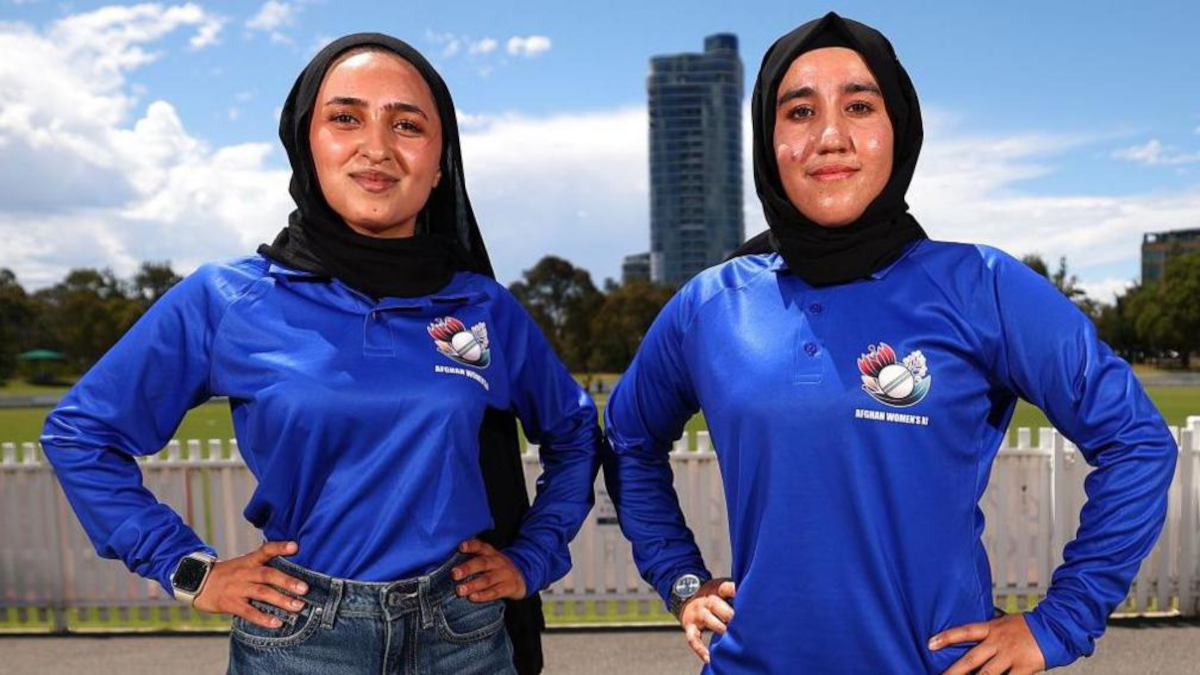 Women's teams also exist. In 2021, after the Taliban seized power, sports for women and girls were outlawed nationwide. Fleeing threats, most female athletes left Afghanistan. Photo: BBC.
Women's cricket was likewise imported from Pakistan. Diana Barakzai, who returned from across the border, formed a squad in 2009 that won a tournament in Dushanbe three years later. In 2020, the Afghanistan Cricket Board awarded central contracts to 25 female players. After the Taliban returned to power in 2021, they lost all opportunity to train and compete at home. A group of the players resettled in Australia and played an exhibition match in Melbourne in January 2025. In 2026, the ICC tasked a working group with drawing up a roadmap to allow an Afghan refugee women's team to enter qualifying tournaments by 2030.
When Afghan journalists first began regularly covering matches, they had to coin terms accessible to listeners who had never seen the game played. BBC Pashto commentators referred to the umpire as «the one who watches the game» and described a fielder's position by their angle relative to the batsman. Several of these descriptions were later adopted by the Afghanistan Cricket Board and other media outlets.
And now, radio stations in Kandahar have been instructed to clear even brief match reports from their broadcasts.
-
 10 November10.11China Behind Barbed WireWhy Beijing Trades With the Taliban Through Central Asia but Keeps Its Own Border Closed
-
 09 November09.11A Lake of Wine and a Valley of GrapesAn old Chinese legend and a story from the Fergana Valley offer two ways into the history of drinking in China.
-
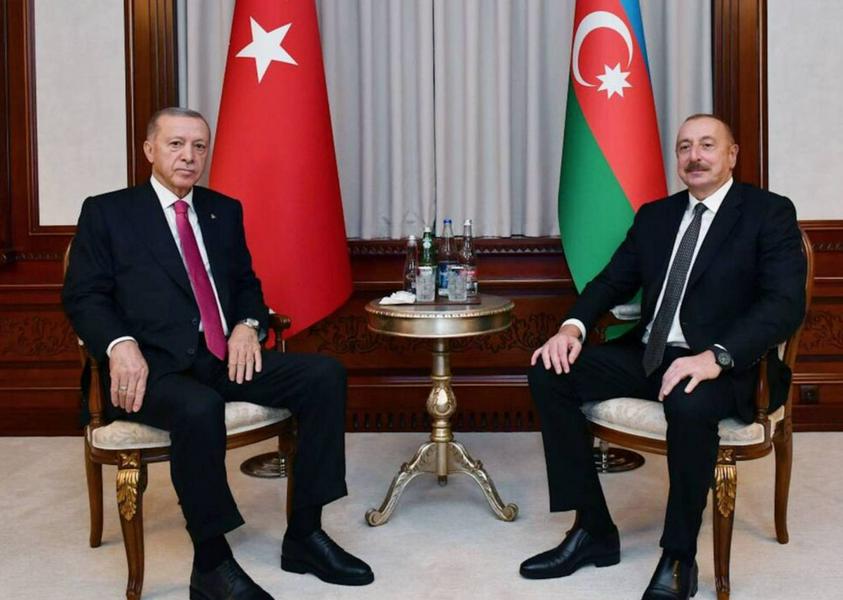 23 October23.10One Nation, Two IdeologiesHow a Hijab Ban Triggered a Rare Turkey-Azerbaijan Rift
-
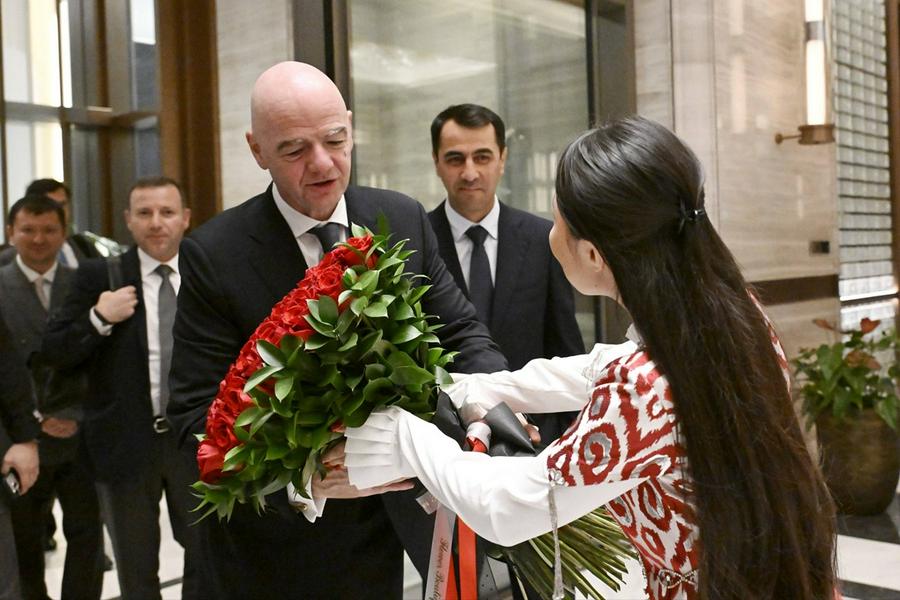 14 October14.10Infantino's Asian TourCourting Votes as FIFA Faces Its Biggest Crisis in Years
-
 01 September01.09Just Look, Don't Say You Didn't SeeAn Islamic civilization media forum in Tashkent gathered over 300 journalists from nearly 50 countries
-
 10 August10.08A Caravan in the Expanse of the UniverseHuman rights defender and journalist Farid Tukhbatullin on the past, present, and future of the Turkmen people
-

Alisher Aminov on why the World Cup should not become an indulgence for the leadership of Uzbek football
-

Alisher Aminov on Gianni Infantino's bid for a third term
-

The story of the persecution of a Kazakh priest who entered into open conflict with the Russian Orthodox Church
-
Alisher Aminov on Italy's failure, Michel Platini, the «Iran case» and chaos at FIFA