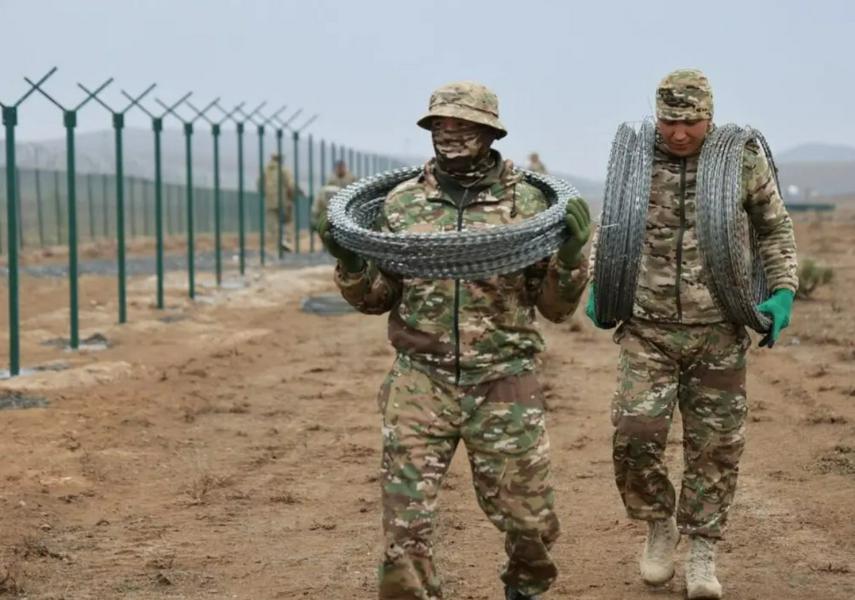
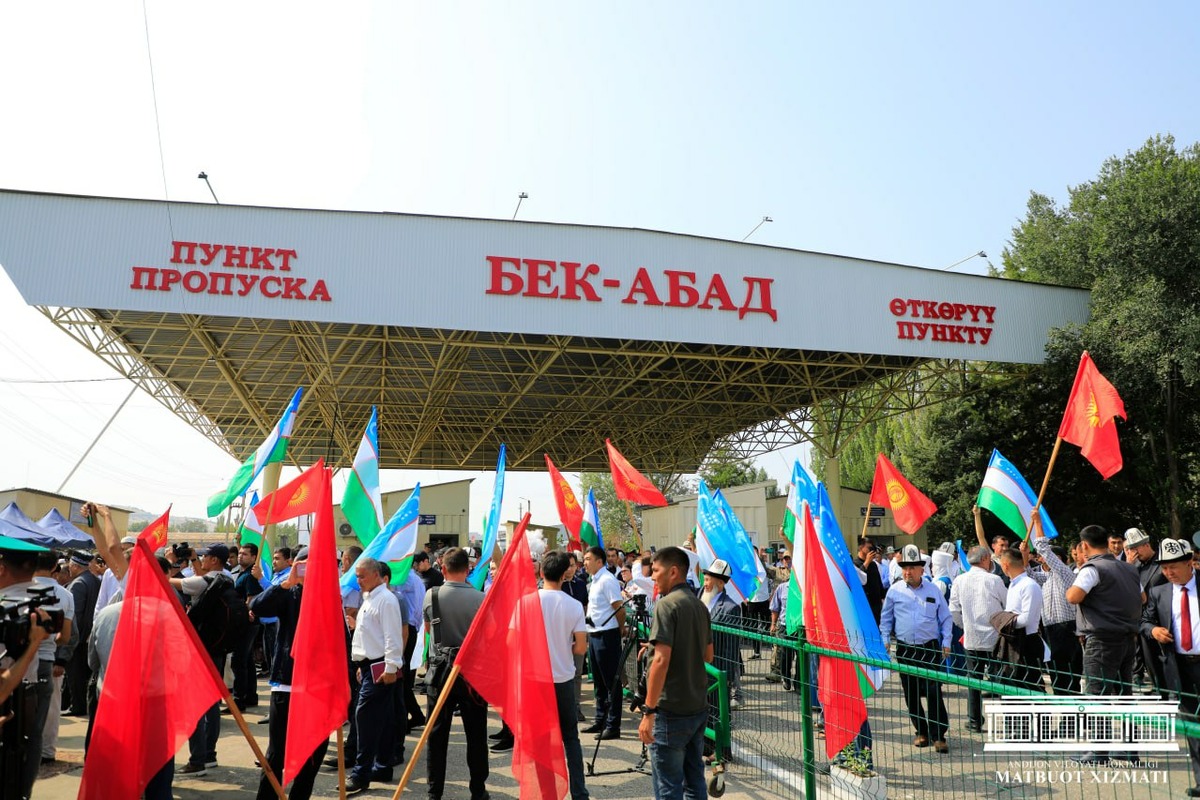
 Border checkpoint. Photo by the press service of the President of Uzbekistan
Kyrgyz President Sadyr Japarov has signed a decree establishing a consulate general of the Kyrgyz Republic in Andijan. The new diplomatic mission will serve Kyrgyz citizens across three Uzbek provinces—Andijan, Fergana, and Namangan—Podrobno.uz reports.
Under the decree, the consulate general will safeguard the rights and legitimate interests of Kyrgyz nationals, provide consular services, and promote economic and cultural ties between the two countries.
Kyrgyzstan's Cabinet of Ministers has been tasked with handling organizational and financial matters required to launch the mission. The decree enters into force on November 20. An official opening date has yet to be announced.
The opening of the new mission comes amid a marked improvement in bilateral relations between Kyrgyzstan and Uzbekistan. Since Shavkat Mirziyoyev assumed power in 2016, both nations have stepped up political and economic contacts, gradually lifted cross-border travel barriers, and resolved long-standing territorial disputes.
In January 2023, Japarov and Mirziyoyev exchanged instruments of ratification for a treaty delimiting specific sections of the Kyrgyz-Uzbek state border. One of the most consequential components of the deal was settling the legal status of the Kempir-Abad (Andijan) reservoir.
A subsequent breakthrough eased mutual travel rules. Starting September 1, 2023, citizens of Kyrgyzstan and Uzbekistan gained the ability to cross their shared border using national ID cards rather than foreign passports, with permitted stays of up to 60 days. Border and passport controls remain in place, with both governments merely streamlining the list of travel documents required for entry.
In the summer of 2026, Bishkek and Tashkent agreed to further relax migration regulations. A protocol signed on July 30 allows Kyrgyz citizens to remain in Uzbekistan for up to 15 days without mandatory temporary registration. Notably, plans to open the consulate general in Andijan were announced during that same summit between the two heads of state in Cholpon-Ata.
In parallel, the Kyrgyz president has advocated for deeper regional integration across Central Asia. In March 2025, following the signing of a border agreement between Kyrgyzstan and Tajikistan, Japarov proposed establishing a regional analogue to Europe's Schengen Area.
Under his vision, Central Asian nations would maximize mutual travel ease for their citizens while introducing a unified visa for foreign nationals, allowing travel to all five countries in the region without separate permits.